

Built For
Instruments: Stocks/ Futures
Trading Style: Day Trading
Strategy Overview
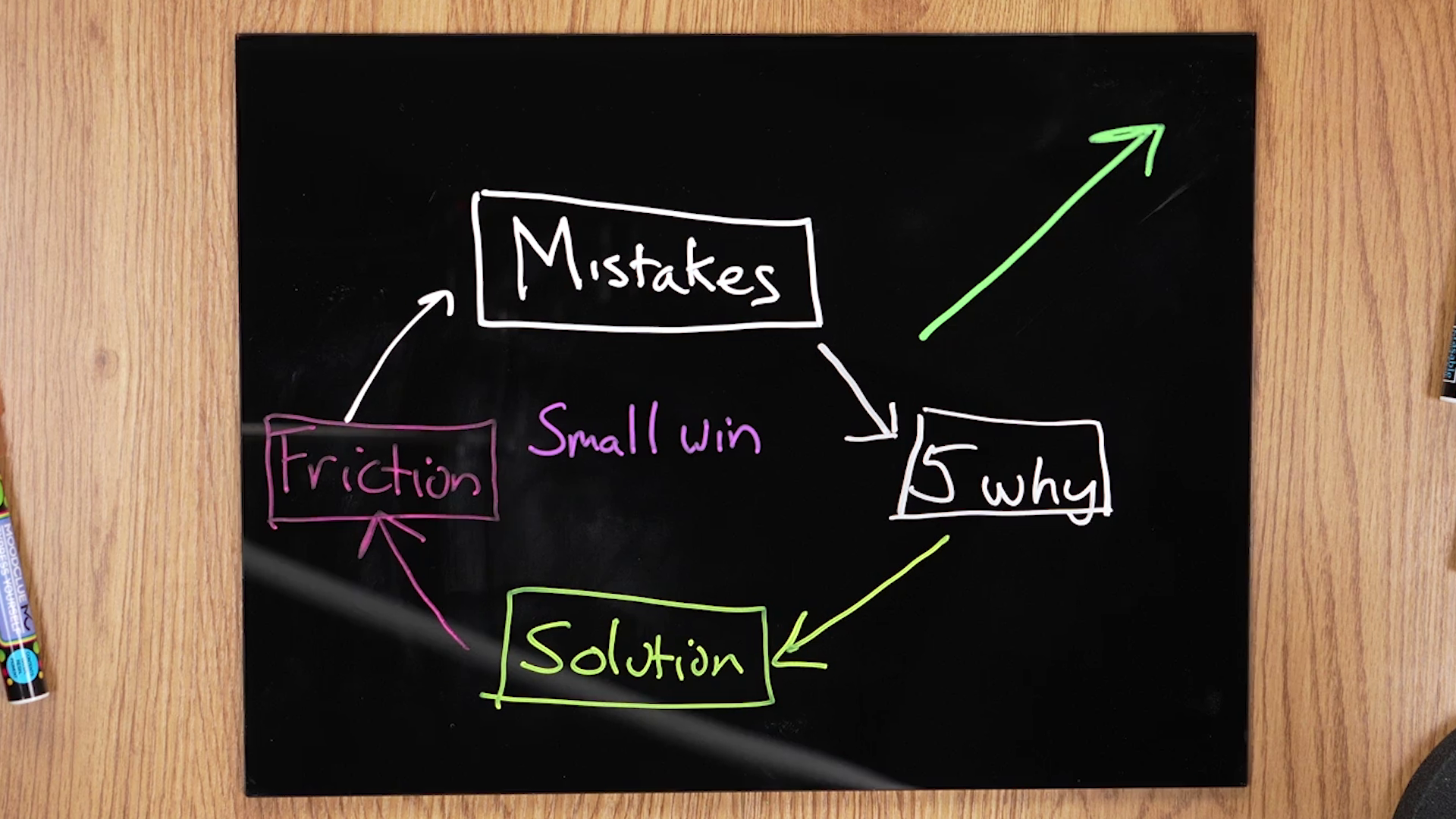
Jeff Holden, SMB's development and recruiting lead, frames the Momentum Model as a practical system for turning repeated trading mistakes into repeatable growth. The model is not a single entry pattern. It is a process for finding the behavior that is blocking progress, diagnosing why it keeps happening, building a specific solution, and then staying with that solution long enough to produce the next small win.
The edge comes from refusing to restart every time friction appears. Many developing market operators set goals, run into the same old mistake, feel frustrated, and then replace the plan with a new plan. The Momentum Model keeps the process inside one improvement loop: identify the mistake, diagnose it deeply, solve the real cause, work through implementation friction, and stack small wins until the account curve starts to compound.
This makes the model useful for performance development and playbook building. It can be used to fix stop-loss errors, early exits, poor trade selection, oversizing, or the habit of forcing an A+ playbook onto an ordinary setup.
Built For
Instruments and Trading Style
The process is built around active intraday equities trading, especially the type of desk environment where trades are graded, reviewed, and sized by quality. It can be adapted to futures, forex, crypto, metals, or any other product, but only after the product's behavior is studied directly. A playbook from equities should not be imposed blindly onto Bitcoin, metals, or another market just because the chart looks familiar.
Timeframes and Timing
The examples are intraday. The Microsoft example uses short-term continuation logic around a 9 EMA, a key resistance level, and real-time buyer urgency. The development loop itself runs on a daily and weekly cadence: track mistakes each day, review them after a week, diagnose the major recurring pattern, and then repeat the cycle as new friction appears.
Tools and Skill Level
The model requires a daily report card, chart review, trade grading, and the willingness to write out mistakes without immediately judging them. Useful tools include VWAP, the 9 EMA, volume, key levels, and a structured playbook template. It is especially useful while consistency is still developing, and the same model works when market conditions shift and baseline execution needs to be rebuilt.
Core Idea
The Momentum Model converts mistakes into momentum through a repeatable improvement loop. It does not require one giant breakthrough. It requires the next small win, then the next one, then the next one. Those small wins compound.
The sequence is simple:
- Track every meaningful mistake in the daily report card.
- Let a week of data reveal the recurring pattern.
- Diagnose the most important mistake with five whys.
- Turn the diagnosis into a specific solution.
- Expect friction during implementation.
- Use that friction as new information, then repeat until a small win appears.
How the Setup Is Built
Step 1: Track Mistakes Without Judgment
The first job is not to fix anything. For one week, every meaningful mistake goes into the daily report card. These can be practical execution mistakes, such as selling too early, failing to respect a stop, putting the stop in the wrong place, or entering a trade without defining structure.
The important part is that the report card does not become self-attack. A mistake is information. On a strong desk, mistakes are not hidden; they are studied. The people who admit mistakes and then process them correctly tend to grow faster than the ones who avoid them.
Step 2: Prioritize the Recurring Mistake
After a week, the list usually collapses into a few themes. The process chooses the one mistake that would create the most progress if it were fixed. If both stop-loss mistakes and take-profit mistakes show up, Holden prioritizes the risk mistake first because uncontrolled risk can damage the account and confidence faster than imperfect profit-taking.
This step prevents the work from expanding into too many problems at once. Momentum starts by narrowing the focus to one solvable problem.
Step 3: Diagnose With the Five Whys
The five whys method comes from Toyota's production improvement process. The main mistake is questioned repeatedly until the real cause appears. The first one or two answers are often too shallow. The useful solution usually emerges around the fourth or fifth why.
Jeff also references a shared ChatGPT resource for this exercise: .
For example, the starting mistake might be, "I did not respect my stop." The first answer may be, "I thought it would come back." The next why may reveal that this setup has recovered before. Another why may reveal that the prior example only worked when the broad market was supporting the trade. The real issue is no longer just discipline; the issue is that a market-supported stop model is being applied to a stock-specific trade where that condition is absent.
Step 4: Convert Diagnosis Into a Solution
The solution must fit the actual cause. If the diagnosis shows that the stop was not defined structurally, the solution is not "be more disciplined." The solution is to define the trade structure, invalidation point, and risk before entry. If the diagnosis shows that the setup works only when the broad market is aligned, the solution is to create a specific playbook variant for that condition.
This is why the model is powerful. It turns an emotional error into a playbook improvement.
Step 5: Work Through Friction Until a Small Win Appears
Even a good solution will run into friction once it is applied live. The market may move fast, hesitation may appear, and old habits may resurface. The mistake is to treat that friction as proof that the plan failed. In the Momentum Model, friction is feedback. It gives the review loop the next mistake to diagnose.
The first small win may be modest: taking the correct stop, holding one partial longer, skipping one marginal trade, or sizing a B trade correctly. That win is the point. Small wins create confidence because they are earned through process, not through a random favorable outcome.
Strategy Rules
Start With a Baseline Playbook
Development should start with one baseline playbook and build it correctly before adding more. The goal is to understand the setup, define the conditions, know the risk, and receive feedback until the structure is repeatable. Once the first playbook is built and scalable, adding the second, third, and fourth playbook becomes much easier because the process is already understood.
One playbook can work only if it is understood deeply and appears often enough with enough size. In practice, one playbook often becomes several variants of the same idea as market conditions change.
Separate Baseline From A+ Opportunities
Holden describes the career equation as baseline plus A+. The baseline playbook keeps execution sharp, engaged, and able to collect steady small wins. A+ trades are special because they sit far out on the distribution of market events. They deserve their own playbook, but they do not appear often enough to replace the baseline.
An A+ playbook should not be forced onto an A, B, or C trade. That creates oversizing, poor expectation, and frustration when the market is only offering a normal opportunity.
Grade the Trade Before Sizing
SMB grades trades by quality and connects that grade to daily-stop allocation. The important lesson is not the exact percentage; it is the discipline of matching risk to the quality of the opportunity.
- A+ trade: up to 80% of daily stop.
- A trade: up to 30% of daily stop.
- B trade: up to 15% of daily stop.
- C trade: up to 5% of daily stop.
This sizing structure keeps ordinary trades from carrying extraordinary risk.
Entry Models
Momentum Model Process Entry
The first entry model is not a chart trigger; it is the point where the improvement cycle begins. The trigger is a recurring mistake that appears repeatedly in the report card. The confirmation is that the mistake is specific enough to diagnose. The invalidation is vagueness. If the mistake cannot be explained beyond "I messed up," the diagnosis is not complete.
Once the five whys reveal the real cause, the solution must be executable and measurable. The next trading session becomes the implementation test. The goal is not to fix an entire career in one day. The goal is to generate the next small win.
Backside VWAP Stop-Loss Diagnosis
The backside/VWAP example shows how a stop-loss mistake can turn into a better playbook. The trade idea is a selloff that puts in a low, forms a higher low, consolidates, and then starts to push back toward VWAP as sellers are forced to cover and buyers step in.
The mistake appears when the long entry uses a stop that is too tight. The expectation is an immediate momentum burst, so the stop gets placed where it feels comfortable, not where the structure says the trade is wrong. If the move pulls back normally and stops out before the structural invalidation point, the five whys should examine whether the stop was based on chart structure, market support, or wishful expectation.

Microsoft 9 EMA Continuation
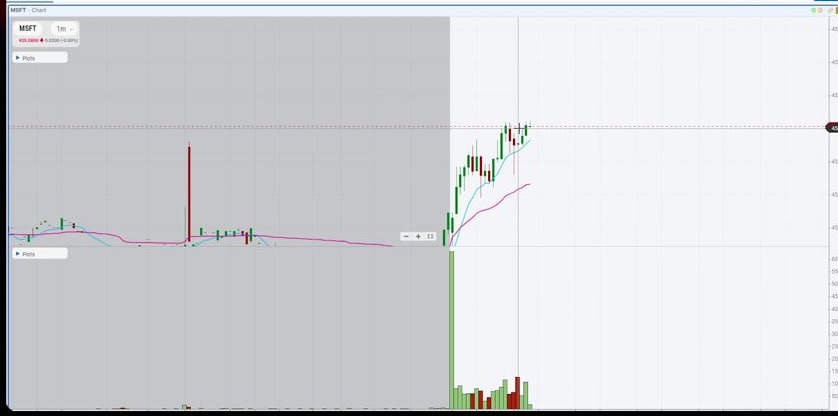
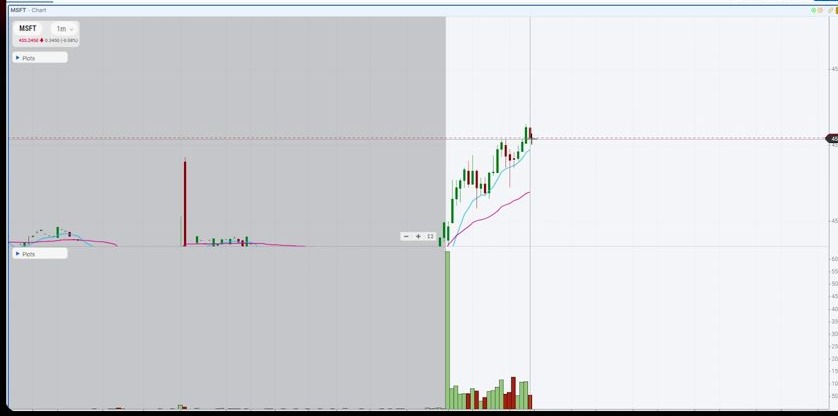
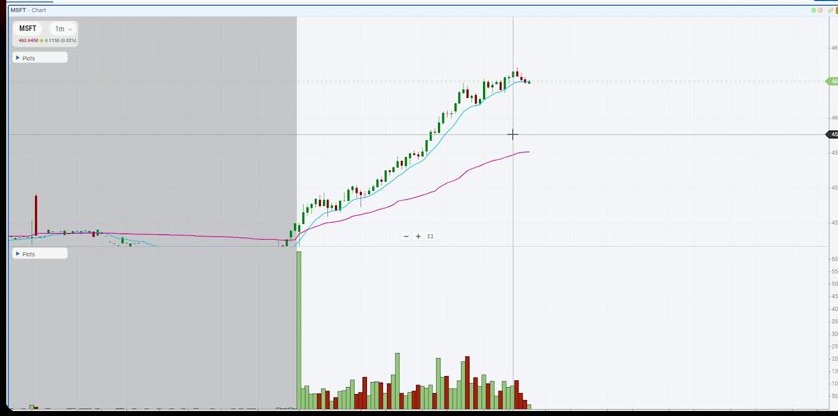
The Microsoft example is a 9 EMA continuation trade after a strong move off the open. Microsoft had been in a downtrend, started to turn, and then pushed strongly into the 455 area. The first test of 455 sold off, but buyers quickly reclaimed the level along the 9 EMA. That response showed urgency. Buyers were not waiting for deep pullbacks; they were buying dips aggressively.
The entry trigger is the break back through the key area and consolidation high with volume and buyer urgency. The invalidation belongs below the wick or structure where buyers stepped in. The trade remains valid while price respects the 9 EMA and the buyer urgency remains visible.
Risk Rules
Risk starts with trade quality. A B trade should not receive A+ risk, and an ordinary baseline trade should not be treated like a rare event. The daily stop framework keeps risk concrete by asking how much of the daily loss limit belongs on this specific trade.
Stops must be structural. In the backside/VWAP example, the stop belongs beneath the higher low or the maximum pain threshold that invalidates the trade, not at an arbitrary place that simply makes the position size feel easier. In the Microsoft continuation, the stop belongs below the wick or support area where buyers showed they were defending the move.
When stop-loss mistakes and profit-taking mistakes both exist, fix the stop-loss problem first. Risk mistakes compound quickly; exit-optimization mistakes can be worked on once poor invalidation is no longer damaging the account.
Targets and Management
Targets and management rules must come from the playbook. Early selling often happens because the working version of the trade has not been defined clearly enough. The solution is to define the expected price action, expected volume behavior, level structure, and reason to exit before the trade begins.
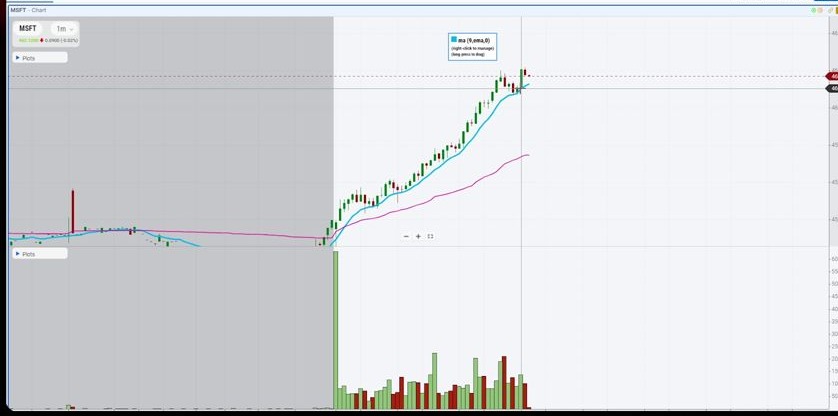
In the Microsoft example, the reason to stay is that buyers keep acting with urgency and price keeps respecting the 9 EMA. Early exit pressure may appear after a few red candles or because the move feels extended, but the playbook asks a different question: has the trade given a real reason to exit? If the continuation thesis remains intact, the better action is to trail with the 9 EMA and wait for a meaningful close below it or a clear shift in buyer behavior.
No-Trade Rules
Do not trade a mistake that has not been diagnosed. If the review only says "sold too early" or "ignored stop" and then promises to do better next time, the loop is incomplete.
Do not size a trade above its grade. A C trade with A+ risk is no longer disciplined trading; it is hope with leverage.
Do not apply an A+ playbook to a baseline trade. A+ events are rare, and trying to find them everywhere usually causes the actual opportunity in front of the screen to get ignored.
Do not transfer a playbook into a new product without studying that product's participants, volatility, and behavior. A Bitcoin trade, a metals trade, and an equity trade can share visual similarities while requiring different execution assumptions.
Do not abandon the process when friction appears. Friction is part of the model, not a signal to start over.
 NinjaTrader
Test this strategy on NinjaTrader before you risk a dollar
14 days free simulated trading trial. Practice your edge without risking your capital.
Trade Example
Microsoft 9 EMA Continuation and Early-Exit Diagnosis
Microsoft had been in a downtrend but had started to turn. On the session discussed, it made a strong move off the open and worked into the 455 resistance area. The first test of 455 was sold, but the key observation was how quickly buyers bought it back up along the 9 EMA. That response showed urgency and suggested the move was supported by real demand rather than a weak bounce.
The trade trigger appears when price breaks the hitchhiker structure and pushes back through the key area with increased volume. The stop belongs below the wick or support area where buyers stepped in. Management is based on whether buyers continue to defend pullbacks and whether price continues to respect the 9 EMA.
The mistake this example diagnoses is selling too early. If the exit happens only because the move feels extended or because a few candles slow down, the exit is emotional rather than structural. The Momentum Model turns that into a five-whys exercise: why did I sell, what did I expect the trade to do, what did the playbook say should happen, and what objective exit signal was missing? The solution is to define the reason to sell before the next trade, then practice holding until the playbook gives that reason.
Key Lessons
The Momentum Model is a way to stay inside the work long enough for growth to compound. It does not require every flaw to be solved at once. The loop identifies the most important mistake, diagnoses it deeply, builds a real solution, expects friction, and keeps repeating until small wins stack into momentum.
Baseline execution creates the foundation. A+ trades create career-defining upside, but they only help when execution is sharp enough to handle them. The baseline playbook keeps the account ready for the next major opportunity instead of waiting passively for it.
Want to Learn More?
If you want to go beyond this one strategy and learn trading the right way, from the basics to advanced, Chart Academy is where to do it.
Chart Academy is the world's first free, all-in-one trading education platform, built to help traders learn real, practical skills from world-class traders. It offers in-depth masterclasses taught by professional traders across stocks, options, futures, forex, crypto, and trading psychology. Alongside the masterclasses, Chart Academy includes personalized learning paths, downloadable resources, and access to exclusive tools and rewards, all in one place. There are no subscriptions, no paywalls, and no credit card required. The goal is to make high-quality trading education accessible, practical, and easy to follow for traders of all levels.
Start learning for free on Chart Academy.



.svg)


.svg)
